
 Home
HomeE-Mail:evri-info(AT)hiroshima-u.ac.jp
※(AT)は@に置き換えてください
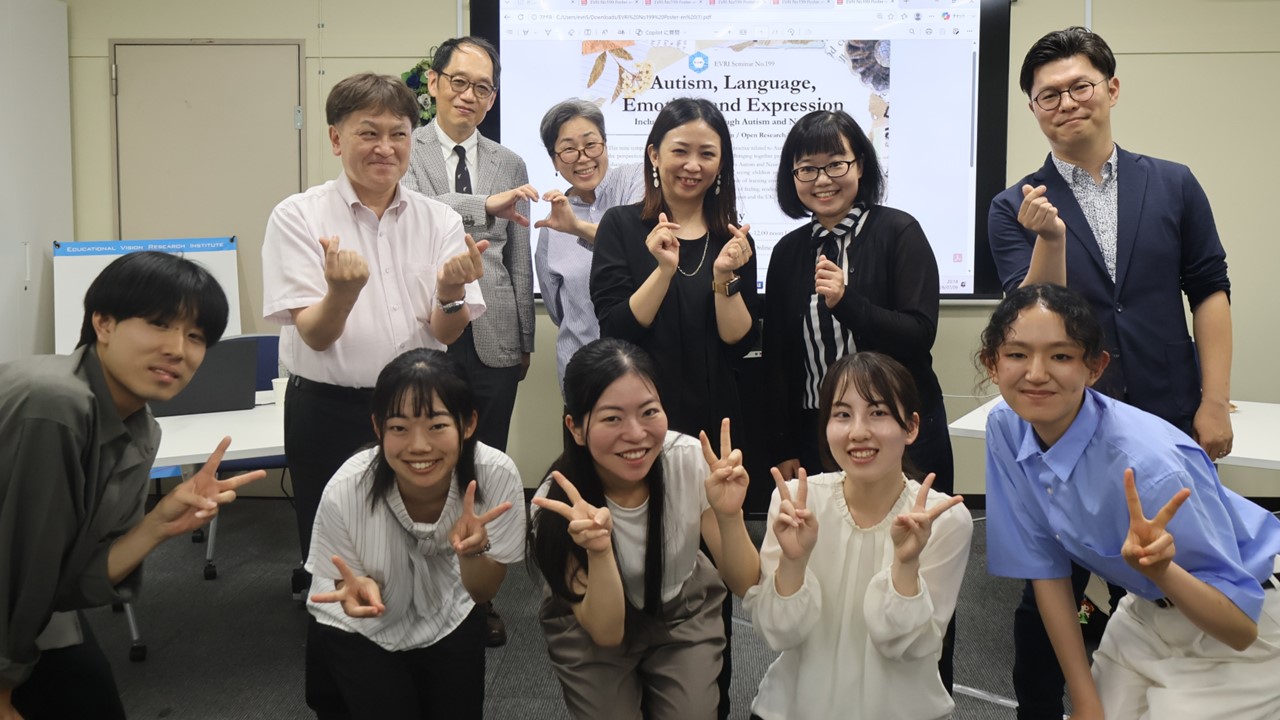
広島大学大学院人間社会科学研究科「教育ヴィジョン研究センター(EVRI)」は、2026年7月9日(木)に、定例オンラインセミナー講演会No.199「ASDとことば・感情・表現:Autism and Neurodiversityから考えるインクルーシブな学び(Autism,Language,Emotion,and Expression: Inclusive Learning through Autism and Neurodiversity)」を開催しました。大学院生や研究者を中心に、46名の皆様にご参加いただきました。
The Educational Vision Research Institute (EVRI), Graduate School of Humanities and Social Sciences, Hiroshima University, held its regular online seminar No. 199, “Autism, Language, Emotion, and Expression: Inclusive Learning through Autism and Neurodiversity,” on Thursday, 9 July 2026. The seminar was attended by 46 participants from Japan and overseas, mainly researchers and graduate students.
はじめに、中井悠加准教授(広島大学)より、本セミナーの趣旨が説明されました。本セミナーでは、自閉スペクトラムをめぐる研究と教育実践を、ことば、感情、表現という3つの観点から捉え直すことが目指されました。自閉スペクトラムのある人々を、支援や介入の対象としてのみ捉えるのではなく、独自の感じ方、読み方、表し方をもつ存在として理解することの重要性が確認されました。また、心理学、特別支援教育、言語・リテラシー教育の知見を接続しながら、インクルーシブな学びのあり方を検討し、あわせてAutism and Neurodiversityをめぐる国際共同研究ネットワークの構築につなげていくことが、本セミナーの課題として示されました。
At the beginning of the seminar, Dr Yuka Nakai (Hiroshima University) explained the purpose of the seminar. The seminar aimed to reconsider research and educational practice related to autism from three perspectives: language, emotion, and expression. It was confirmed that autistic people should not be understood only as recipients of support or intervention, but as people with their own ways of feeling, reading, and expressing. The seminar also aimed to examine inclusive learning by connecting perspectives from psychology, special needs education, and language and literacy education, and to provide a starting point for building an international collaborative research network on autism and neurodiversity.
2026年6月11日(木)に、定例オンラインセミナー講演会No.198「ドイツ・ライプツィヒにおける授業研究と教師教育-2026年5月出張報告-」を開催しました。大学院生や研究者を中心に25名の皆様にご参加いただきました。
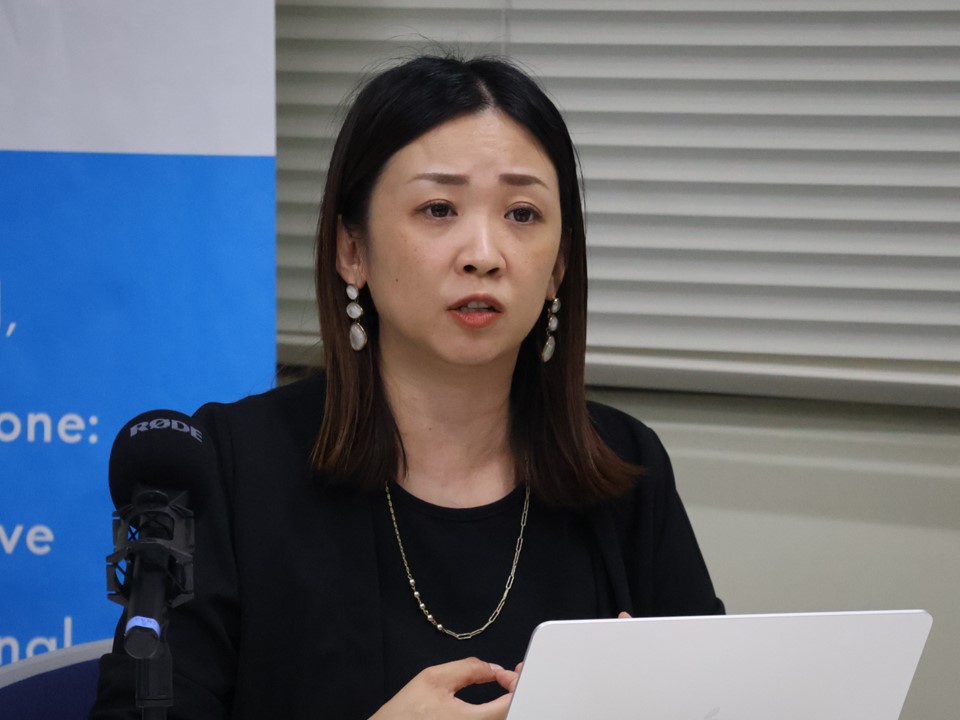
趣旨説明をする中井准教授
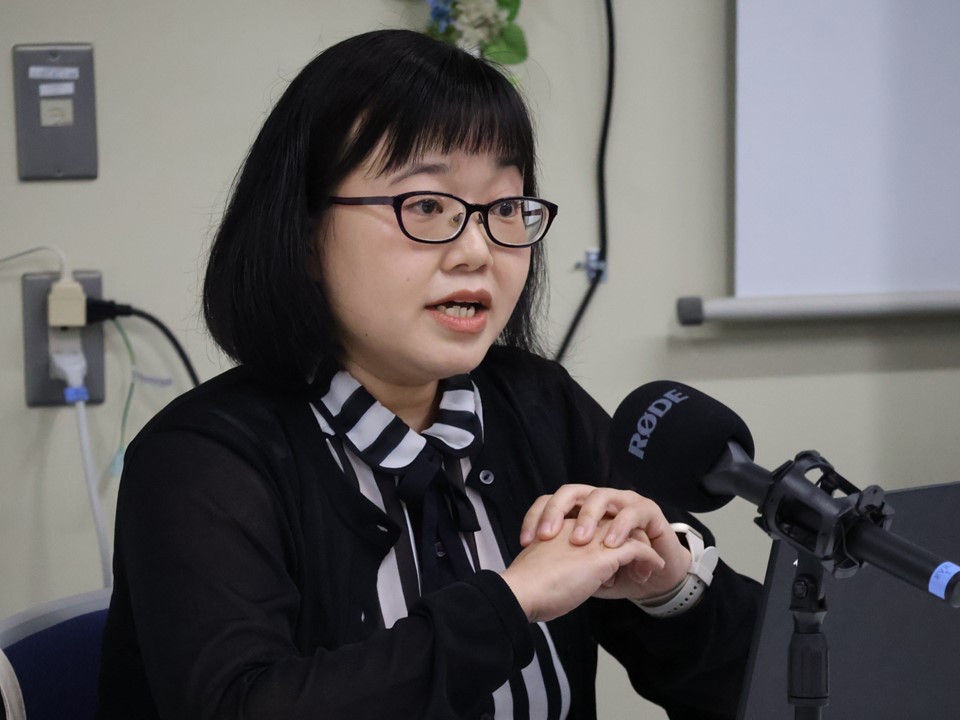
講演を行うIao氏
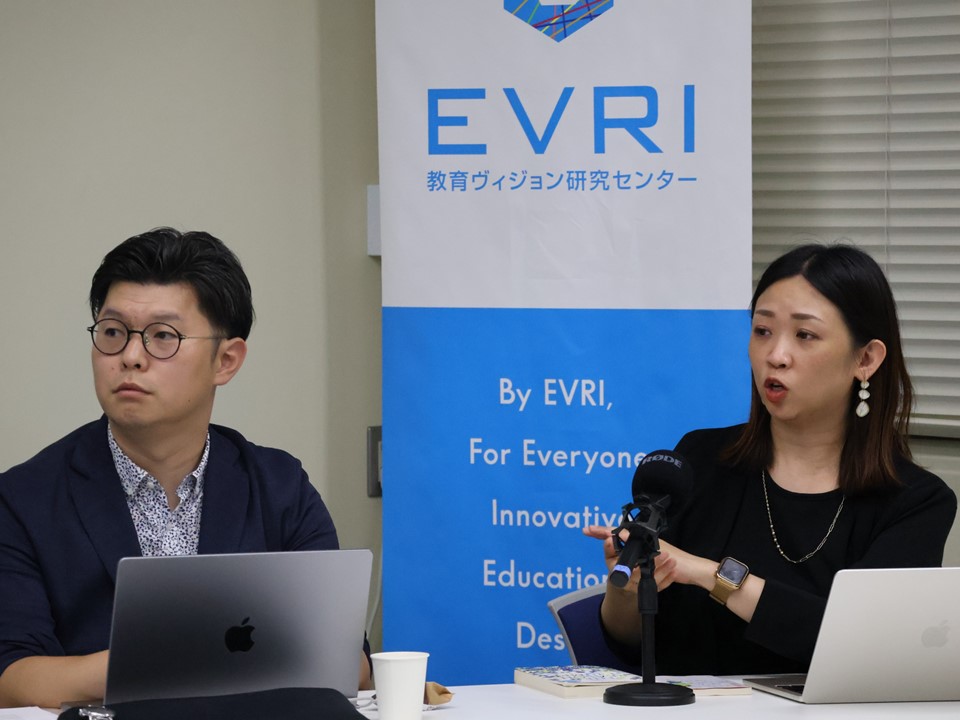
次に、永瀬開准教授(広島大学)より、「自閉スペクトラム症にある人におけるユーモアの受け止め方」と題した話題提供がなされました。
ASD者と非ASD者のあいだに生じる相互理解の困難をふまえ、日常的な相互作用の一つであるユーモアに着目した研究が紹介されました。ユーモアは、文脈理解や非言語的手がかりの解釈などに関わる複合的な営みであり、double empathy problemが顕在化しやすい場面であることが示されました。また、ASD診断の有無そのものよりも、自閉スペクトラム特性のあり方がユーモアの感じ方に影響する可能性が論じられ、ASD者と非ASD者がユーモアを共有できる実践的な場の検討が今後の課題として示されました。
Next, Dr Kai Nagase (Hiroshima University) gave a presentation entitled “Humour Appreciation in Autistic People.”
His presentation introduced research focusing on humour as one form of everyday social interaction, in light of the difficulties in mutual understanding that may arise between autistic and non-autistic people. Humour was presented as a complex activity involving contextual understanding and the interpretation of non-verbal cues, and as a situation in which the double empathy problem may become particularly visible. He also discussed the possibility that humour appreciation is influenced not simply by the presence or absence of an autism diagnosis, but by the profile of autistic traits. The presentation further suggested the need to develop practical settings in which autistic and non-autistic people can share humour.
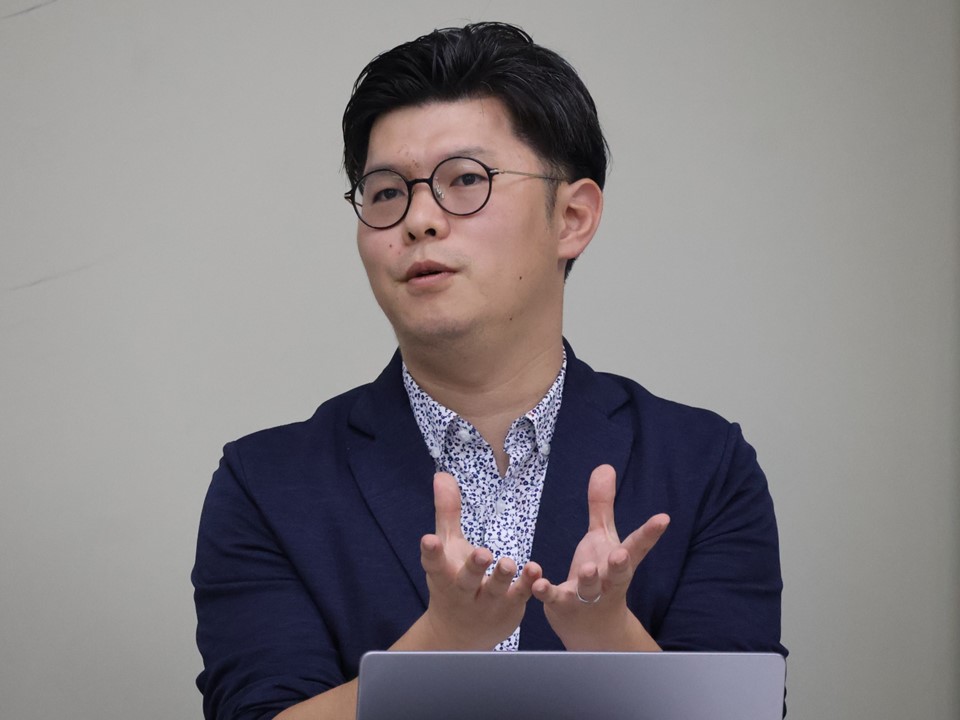
発表をする永瀬准教授
次に、中井准教授より、「ファウンドポエトリーと包摂的なことばの学び」と題した話題提供がなされました。
既存のテキストから言葉を選び、並べ替え、組み合わせることによって詩を創作するファウンドポエトリーに着目し、異なる言語経験をもつ学習者が参加しうる詩創作環境の可能性が論じられました。デジタル環境においては、言葉の選択、配置、修正、共有が容易になることから、学習者が試行錯誤しながら詩的な意味づくりに参加できる点が示されました。あわせて、今後、日本の学校現場において小規模な詩創作ワークショップを実施する構想が紹介されました。
Next, Dr Yuka Nakai (Hiroshima University) gave a presentation entitled “Found Poetry and Inclusive Language Learning: Designing Inclusive Poetry-Writing Spaces.”
Her presentation focused on found poetry, in which writers create poems by selecting, rearranging, and combining words from existing texts, and discussed the possibility of poetry-writing environments in which learners with diverse language experiences can participate. It was suggested that, in a digital environment, selecting, arranging, revising, and sharing words becomes easier, allowing learners to participate in poetic meaning-making through experimentation. The presentation also introduced a plan for future small-scale poetry-writing workshops in Japanese school settings.
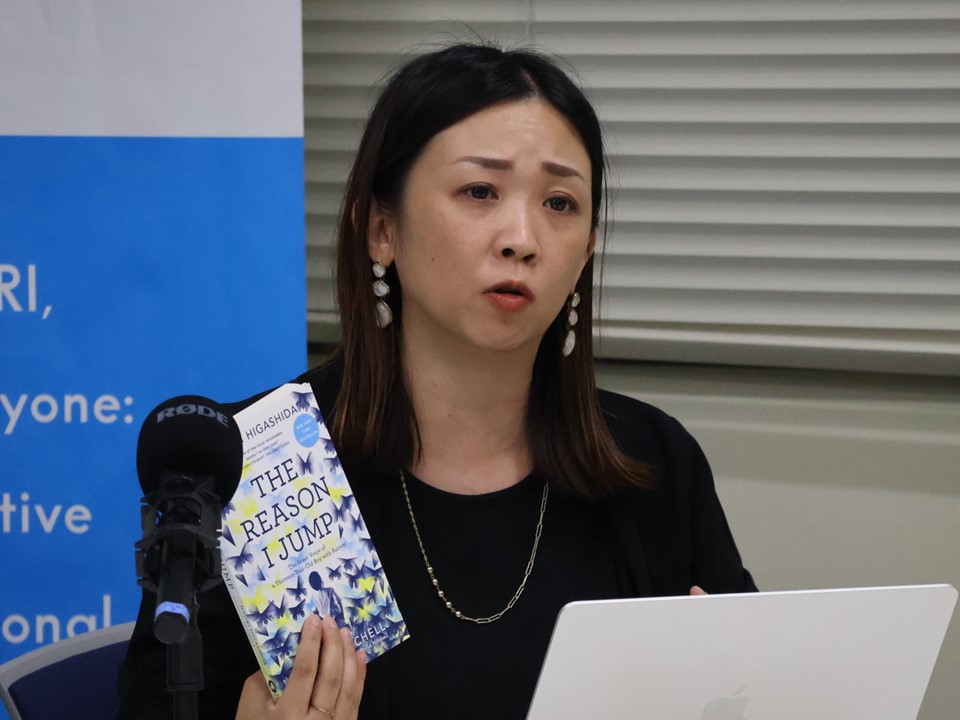
発表をする中井准教授
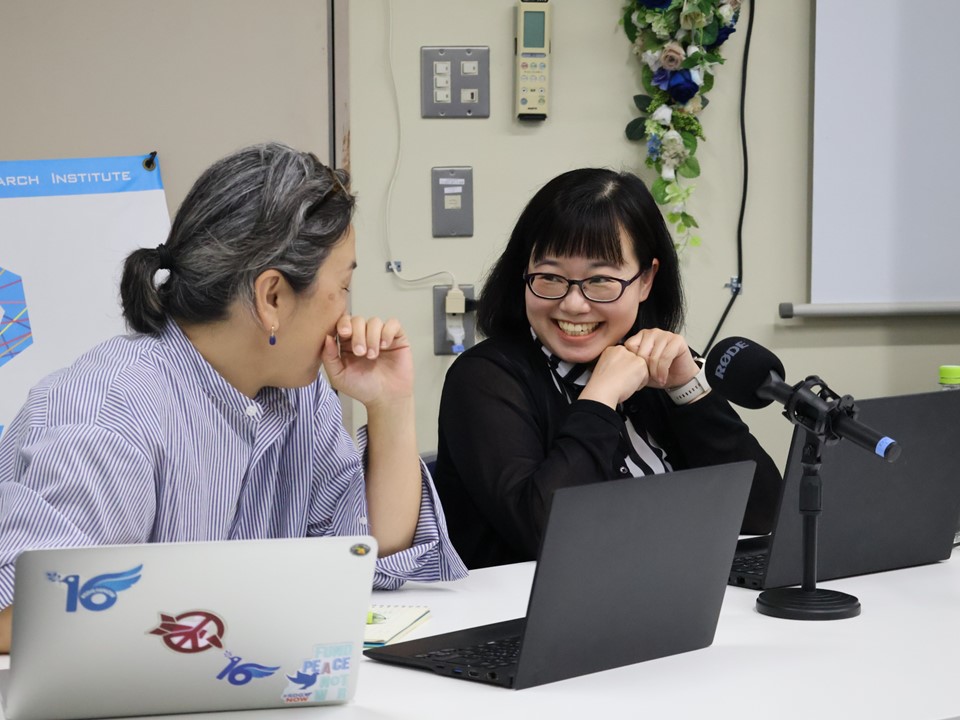
以上を受けて、中井准教授をファシリテーターとし、全体討議がなされました。 討議では、ASD者と非ASD者のあいだで、感覚、感情、表現、コミュニケーションの違いをどのように理解し、互いに共有できるのかが中心的な論点となりました。参加者からは、ユーモアや詩創作のような活動において、違いを欠如として捉えるのではなく、価値あるものとして楽しんだり祝福したりする場をどのように実現できるのかという問いが出されました。これに対して、double empathy problemの観点から、相互理解の困難をASD者の側だけに帰すのではなく、ASD者と非ASD者の双方の関係の中で捉えることの重要性が確認されました。
Following the three presentations, a general discussion was facilitated by Dr Nakai. The discussion focused on how autistic and non-autistic people can understand and share differences in sensation, emotion, expression, and communication. Participants raised the question of how spaces can be created in which differences are not treated as deficits, but can be enjoyed and celebrated as valuable, through activities such as humour and poetry writing. In response, the importance of understanding mutual difficulty through the lens of the double empathy problem was confirmed, rather than attributing difficulties in mutual understanding only to autistic people.
また、ユーモアを共有するためには、何を面白いと感じるのかだけでなく、その背景にある想像や関心をどのように共有するかが重要であることが議論されました。特に、special interests は、ASD者と非ASD者が共通の関心を見いだし、相互理解を深めるための媒介となりうることが示されました。
学校におけるインクルーシブな環境づくりに向けては、ファウンドポエトリーやLEGOを用いた活動のように、同じ素材や関心を共有しながら参加できる場の可能性が議論されました。あわせて、絵、動画、視覚的表現などを含む、多様な参加・評価の方法を検討する必要性が共有されました。
The discussion also addressed the importance of sharing not only what is found humorous, but also the imagination and interests behind humour. In particular, special interests were discussed as a possible medium through which autistic and non-autistic people can find common ground and deepen mutual understanding.
In relation to creating inclusive environments in schools, participants discussed the possibility of activities such as found poetry and LEGO-based activities, in which learners can participate by sharing the same materials or interests. The need to consider diverse forms of participation and assessment, including pictures, videos, and visual forms of expression, was also shared.
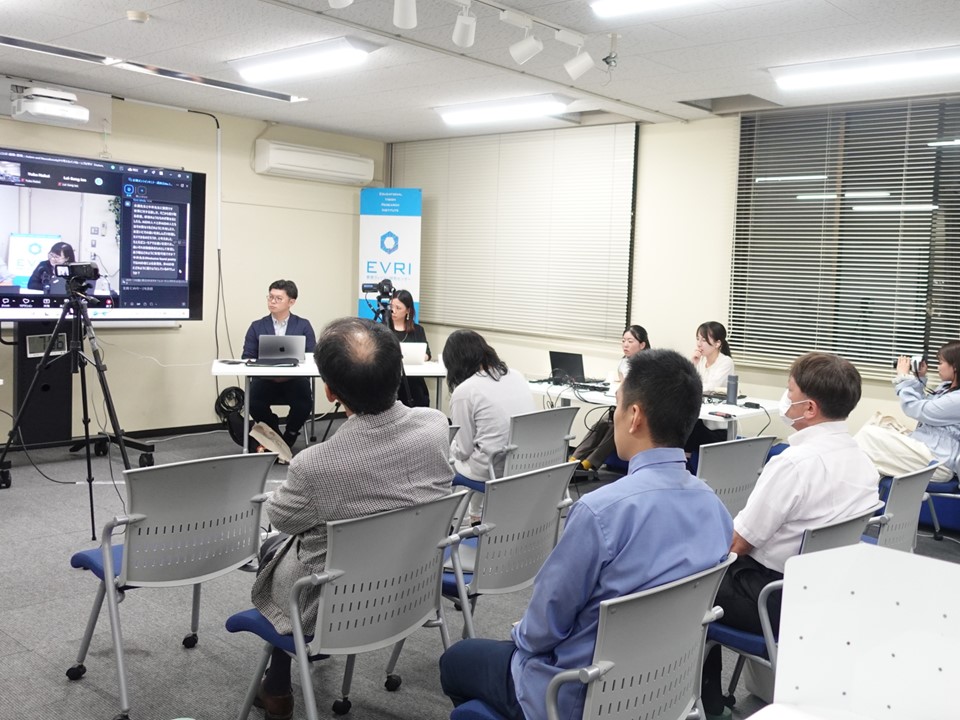
フロアの様子
最後に、中井准教授より、本セミナーで扱われたニューロダイバーシティ、ユーモア、創造性、詩創作の論点を今後の教育実践と研究に接続していくことの重要性が展望として示され、閉会となりました。
Finally, Associate Professor Nakai indicated as a future direction the importance of connecting the seminar’s themes—neurodiversity, humour, creativity, and poetry writing—to future educational practice and research. The seminar then closed.
EVRIは今後も、国内外の研究者との対話を通じて、実証的知見にもとづいた市民性教育研究を深めるセミナーを継続的に企画してまいります。
当日の様子はこちらをご覧ください。
その他のセミナー情報はこちらをご覧ください。
【問い合わせ先】
広島大学教育ヴィジョン研究センター(EVRI) 事務室