Home
UN agencies are actively engaged in addressing global challenges across diverse fields, including education, health, the environment, human rights, and food assistance. In this initiative, resident representatives of UN organizations in Japan are invited to provide students with a valuable opportunity to hear firsthand about the work of the United Nations, career paths, and the realities on the ground. In FY2026, the following seminars (lectures) have been held.
■ FY2026 Program Details
[Session 1]
- Date & Time: Wednesday, May 20, 2026, 18:00–19:30
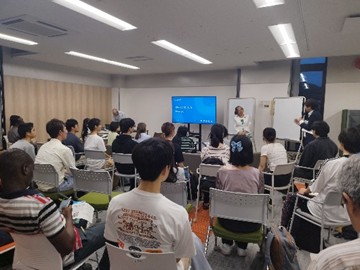
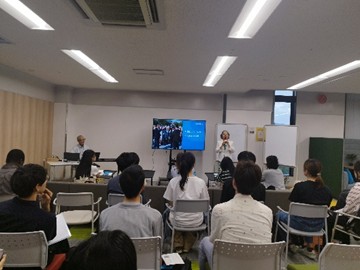
- Venue: Global Learning Center (hybrid: in-person and online)
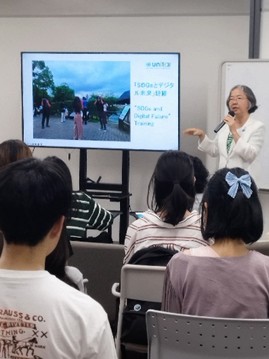
- Speaker: Ms. Chisa Mikami, Director, UNITAR Hiroshima Office (United Nations Institute for Training and Research)
- Participants: 37 in total (30 in-person, 7 online)
(Undergraduate and graduate students, including international students, from a wide range of disciplines) - Faculty Coordinator: Associate Professor Asakura (IDEC Institute for International Cooperation)
- Lecture Overview:
The lecture focused on an overview of UNITAR’s activities and pathways to UN careers.
It covered UNITAR’s mission, its training programs based on human resource development, and the role of the Hiroshima Office, including its contributions to capacity building for addressing global challenges (with achievements spanning 150 countries and approximately 80,000 participants). Specific training programs in areas such as nuclear disarmament and non-proliferation, social innovation, leadership, and digital technologies were introduced, demonstrating how UNITAR’s activities are directly linked to global issues.
In the latter half of the lecture, the speaker explained the qualities and competencies required of UN staff, the recruitment process, and programs such as JPO. She emphasized the importance for students of developing expertise and proactively designing their careers.
The Q&A session received numerous questions and extended beyond the scheduled time, highlighting the high level of student interest.
Lecture Materials: Click here ↓
- Special Seminar for HU Students by Representatives of UN Organizations in Japan(UNITAR).pdf(2.99 MB)
[Session 2]
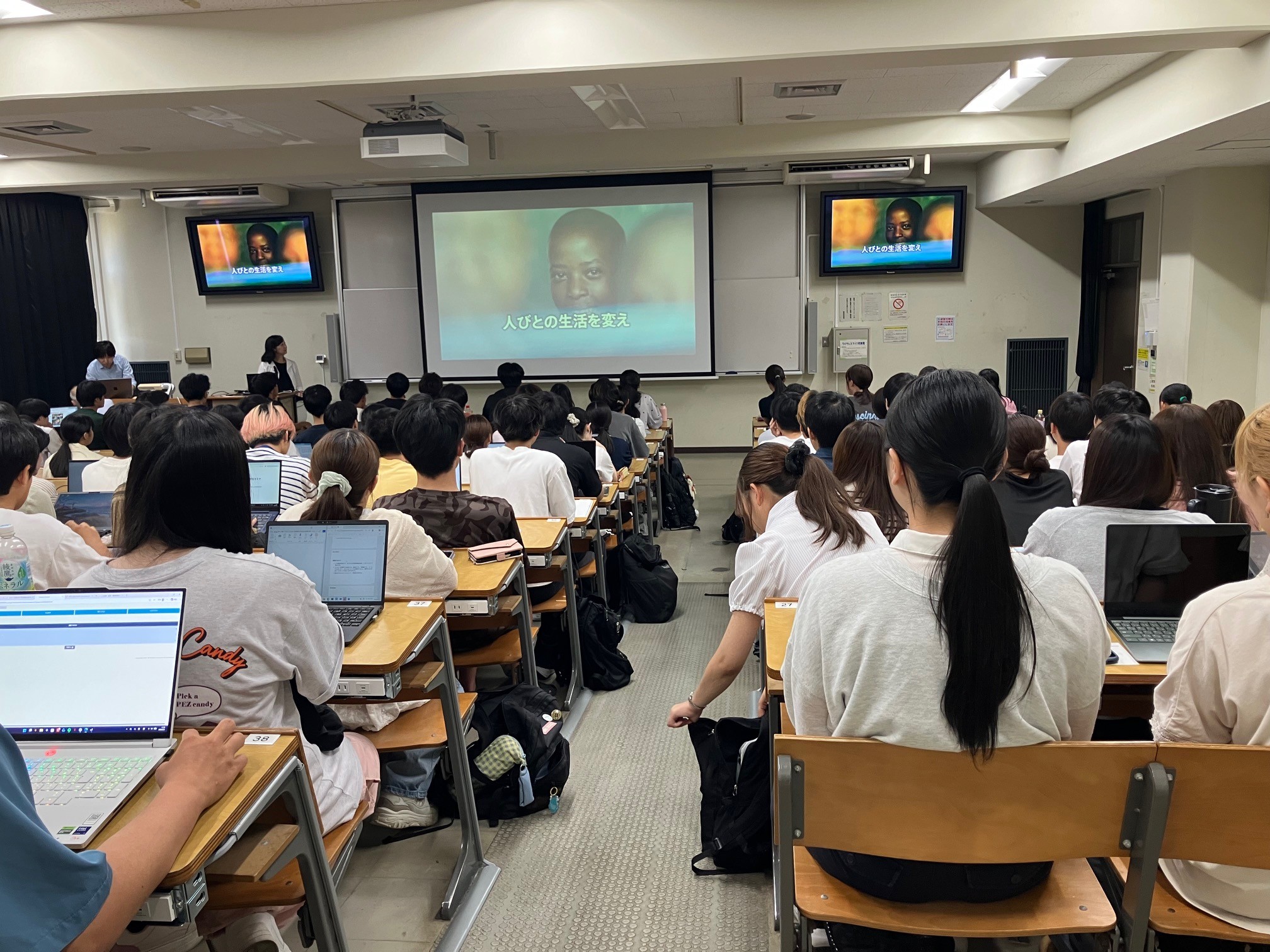
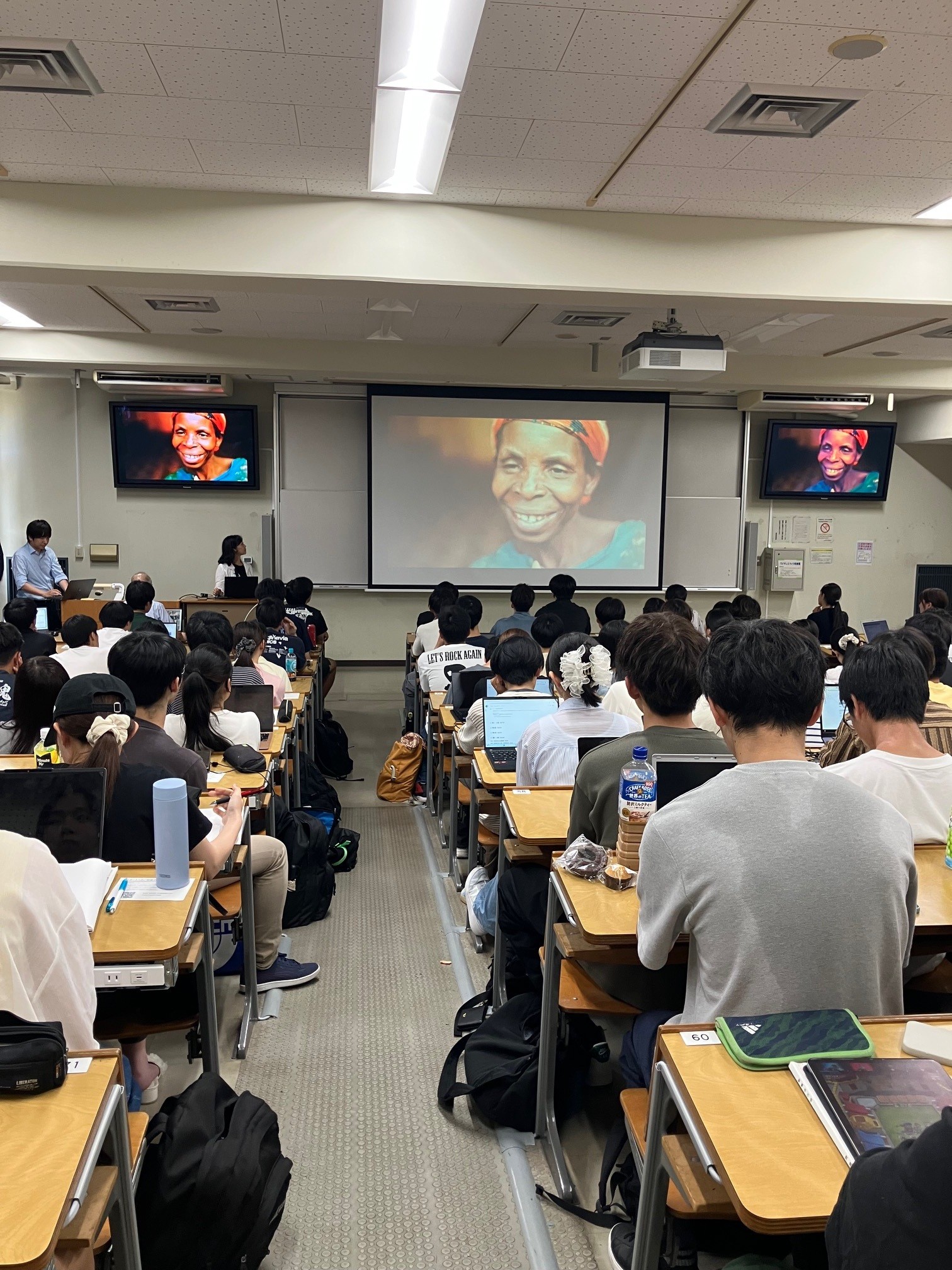
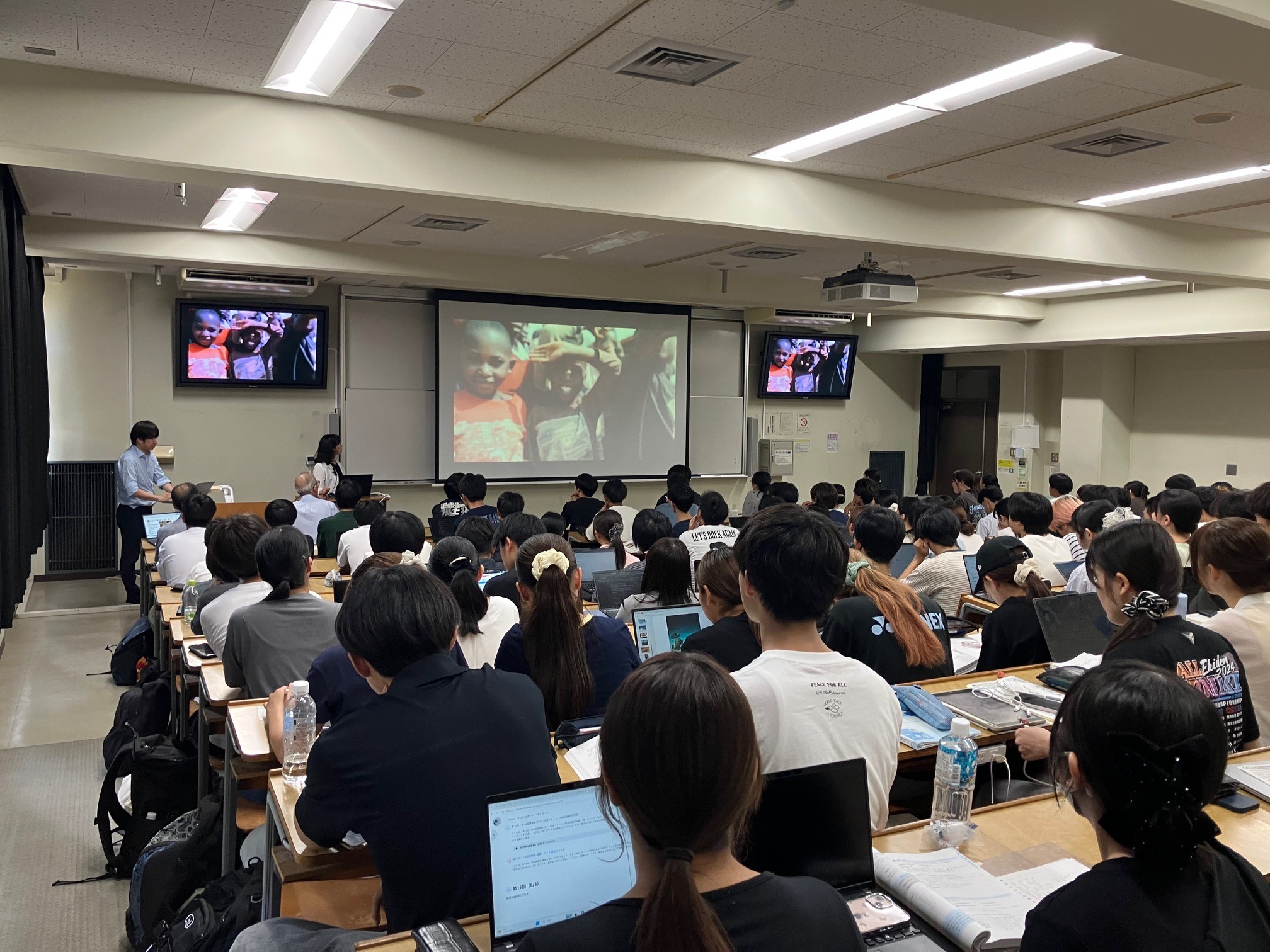
- Date & Time: Monday, August 3, 2026, 12:50–14:20
- Venue: School of Integrated Arts and Sciences, Lecture Room K110 (hybrid: in-person and online)
- Speaker: Ms. Yasuko Asano, Acting Representative, United Nations World Food Programme (WFP)
Japan Office - Participants: 122 in total (111 in-person, 11 online)
(Primarily undergraduate students, including some graduate and international students) - Faculty Coordinator: Associate Professor Asakura (IDEC Institute for International Cooperation)
- Lecture Overview:
The lecture focused on “An Overview of WFP’s Activities” and “Food Security and International Careers.”
The speaker provided an overview of the World Food Programme (WFP), the current state of global hunger, and the key factors contributing to food insecurity, including conflict, climate change, and economic inequality. WFP’s role as the world’s largest humanitarian organization working toward the achievement of Zero Hunger was also introduced.
In addition, the lecture highlighted WFP’s wide-ranging initiatives, including emergency food assistance, cash-based transfers, support for smallholder farmers, school feeding programmes, and maternal and child nutrition programmes. These examples demonstrated how WFP combines short-term humanitarian assistance with longer-term development efforts to strengthen the resilience and self-sufficiency of vulnerable communities.
During the latter half of the lecture, the speaker discussed the competencies and qualifications required for careers within the United Nations, as well as career pathways at WFP. Particular emphasis was placed on the importance of developing professional expertise, gaining practical experience, and continuously expanding one’s skills and knowledge.
As the seminar was held as part of an undergraduate course, more than 100 students attended.
Although the time available for questions was limited, post-event survey responses indicated that participants gained a deeper understanding of global hunger issues and international cooperation, while also finding the session valuable for reflecting on their future careers and potential contributions to addressing global challenges.
This lecture also served as the 15th (final) session of the general education course “Peace Studies from the Perspectives of Hunger, Poverty, and Environmental Issues.”
Lecture Materials: Click here ↓