Home
HomeGlobal Exchange Group, Hiroshima University
Email: kokusai-ryugaku*office.hiroshima-u.ac.jp
(Please replace * with @.)
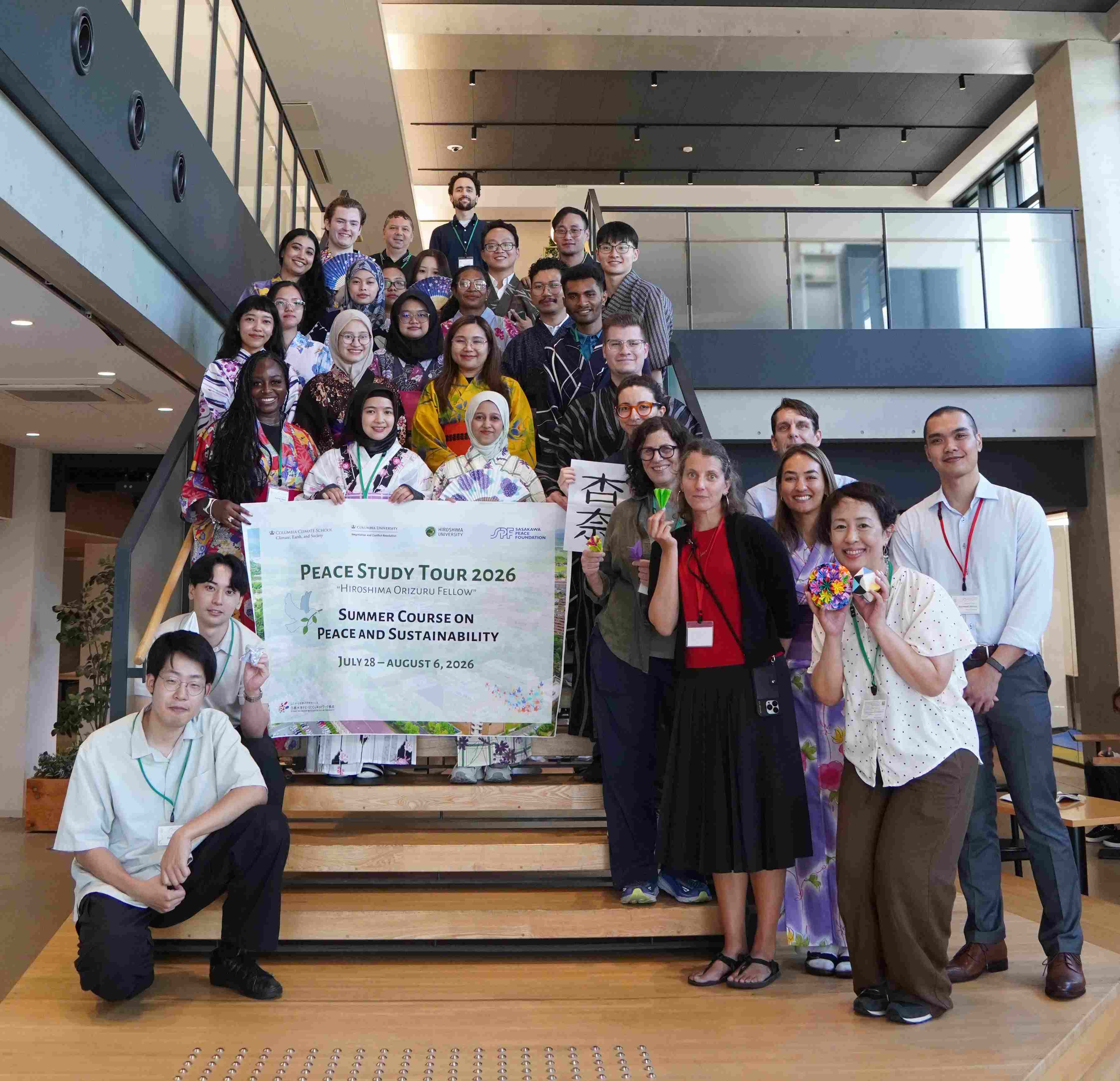
A joint summer program with the Sasakawa Peace Foundation and Columbia University
Hiroshima University held the Peace Study Tour 2026, inviting students from partner institutions and other universities around the world to Hiroshima to reflect on peace from diverse perspectives through a series of summer programs centered on a wide range of themes.
Now in its fourth year, the Peace Study Tour welcomed 144 students from 24 universities across 13 countries, who joined Hiroshima University students in five specialized summer programs. Three of these programs brought international students to Hiroshima around August 6, Hiroshima Peace Memorial Day.
Each program addressed contemporary global challenges, including a sustainable future for food and the planet, sustainable resource management and positive peace, the social role of artificial intelligence (AI), sustainable economic development, and the circular economy. The programs were held between mid-May and mid-September, each running for approximately 10 days to two weeks.
One of the programs, held in May in collaboration with the University of Idaho, welcomed 32 students under the “Mega Exchange Agreement” between the two universities. During their stay, the students listened to testimony about the atomic bombing and visited the Hiroshima Peace Memorial Museum, deepening their understanding of the reality of the atomic bombing and reflecting on the meaning of peace.
From August 4 to 6, students participating in several of the programs also came together for a cross-program Peace Learning component. Through listening to testimony about the atomic bombing, visiting the Hiroshima Peace Memorial Museum, and attending the Peace Memorial Ceremony, the students deepened their understanding of the devastating consequences of the atomic bombing. At the same time, students from diverse countries and regions exchanged perspectives and engaged in dialogue on peacebuilding.
Students from overseas shared a wide range of reflections on their experiences:
“The course also encouraged us to understand peace from a much more holistic perspective, not simply as the absence of war, but as something deeply connected to sustainability, environmental stewardship, social justice, dialogue, and our everyday relationships with people and nature.”
“Through this program, I came to realize that peace is not merely the absence of conflict but a conscious choice that requires courage, compassion, dialogue, and collective responsibility.”
“Before joining this program, I mostly saw things from my own field of study. During the program, I met people from different countries and academic backgrounds, and I realized that everyone approaches the same issue differently. It was interesting to learn from their experiences and opinions.”
“Being able to engage with people from all around the world, especially those from conflict-affected areas, was deeply humbling. I hope to grow these connections into lifelong friendships with other like-minded, passionate people who deeply care about their communities and peacebuilding.”
“Thanks in part to the influence of this course, I have changed my research focus to incorporate peacebuilding, which previously was not a major focus of my research. ... I intend to dedicate my research to conflict resolution in my community, and I have the course to thank for that.”
These reflections demonstrate how the students reconsidered the meaning of peace for themselves while gaining new perspectives and insights through encounters with diverse values, experiences, and academic disciplines.
Students from the University of Idaho also shared messages of peace for August 6. One student said:
“If I had to share one message from this experience, it would be to always, always choose peace. But peace isn’t something that you can choose by just sitting idly and not actively doing anything to make the world worse. Peace is something you must fight for. You have to speak out about it and spread awareness that if you don’t work towards a peaceful world, someday, everything you know, and everyone you love might be gone, because someone else more ignorant might choose war.”
At a time when armed conflicts continue in many parts of the world and the international situation surrounding nuclear weapons is becoming increasingly grave, the role that universities must play is more important than ever.
Precisely because we live in such times, Hiroshima University believes that one of the important missions of a university is to provide opportunities for students from diverse countries, regions, and backgrounds to come together, think and engage in dialogue, encounter different values and perspectives, and learn collaboratively about the global challenges facing our world.
As a university founded in Hiroshima, a city that experienced the atomic bombing, Hiroshima University will continue to share the reality of the atomic bombing with students visiting Hiroshima from around the world. At the same time, we will provide meaningful learning opportunities that encourage students to consider how the lessons of Hiroshima can be translated into concrete action for peace, inspiring them to think for themselves and take action toward the realization of a peaceful and sustainable future.
[Programs for FY2026]
| Programs | Theme | Date | Number of participants | |
| 1 |
Mega Exchange Program for Nurturing Peace and Sustainability Leaders |
Hiroshima Dialogues Peace, Plate, and Planet Nurturing Peace and Sustainability Leaders |
May19-29, 2026 |
59 [Breakdown] |
| 2 |
HU&SPF&CU Summer Course on Peace and Sustainability 2026
|
Conflict and Collaboration in Natural Resource Management – Advancing Positive Peace and the SDGs |
July 28-August 6, 2026 |
29 [Breakdown] |
| 3 |
INU Student Seminar |
The UN SDGs and sustainable economic development |
August 4-12, 2026 |
69 [Breakdown] |
| 4 |
Japan-U.S. Global Leadership Program |
The role of artificial intelligence in the future of work and society |
August 4-12, 2026 |
52 [Breakdown] |
| 5 |
Hiroshima University - The University of New South Wales Sydney Joint Future Lab 2026 |
Circular Economy |
August 31-September 11, 2026 |
38
|
[Participants’ Affiliated Universities]
| Affiliated University | Country | |
|
1 |
University of Idaho | U.S.A. |
| 2 | Arizona State University | U.S.A. |
| 3 | Columbia University | U.S.A. |
| 4 | James Madison University | U.S.A. |
| 5 | University of Texas at Austin | U.S.A. |
| 6 | Purdue University | U.S.A. |
| 7 | Universidad Nacional del Litoral | Argentina |
| 8 | Kingston University | U.K. |
| 9 | Nagaland University | India |
| 10 | Rajiv Gandhi University | India |
| 11 | Syarif Hidayatullah State Islamic University | Indonesia |
| 12 | Cenderawasih University | Indonesia |
|
13 |
Hasanuddin University | Indonesia |
| 14 | Parahyangan Catholic University | Indonesia |
| 15 | The University of New South Wales | Australia |
| 16 | Malmö University | Sweden |
| 17 | Rovira i Virgili University | Spain |
| 18 | Chiang Mai University | Thailand |
| 19 | European University Viadrina | Germany |
| 20 | Osnabrück University | Germany |
|
21 |
Mindanao State University | Philippines |
| 22 | Hankuk University of Foreign Studies | South Korea |
| 23 | Stellenbosch University | South Africa |
| 24 | University of the Free State | South Africa |
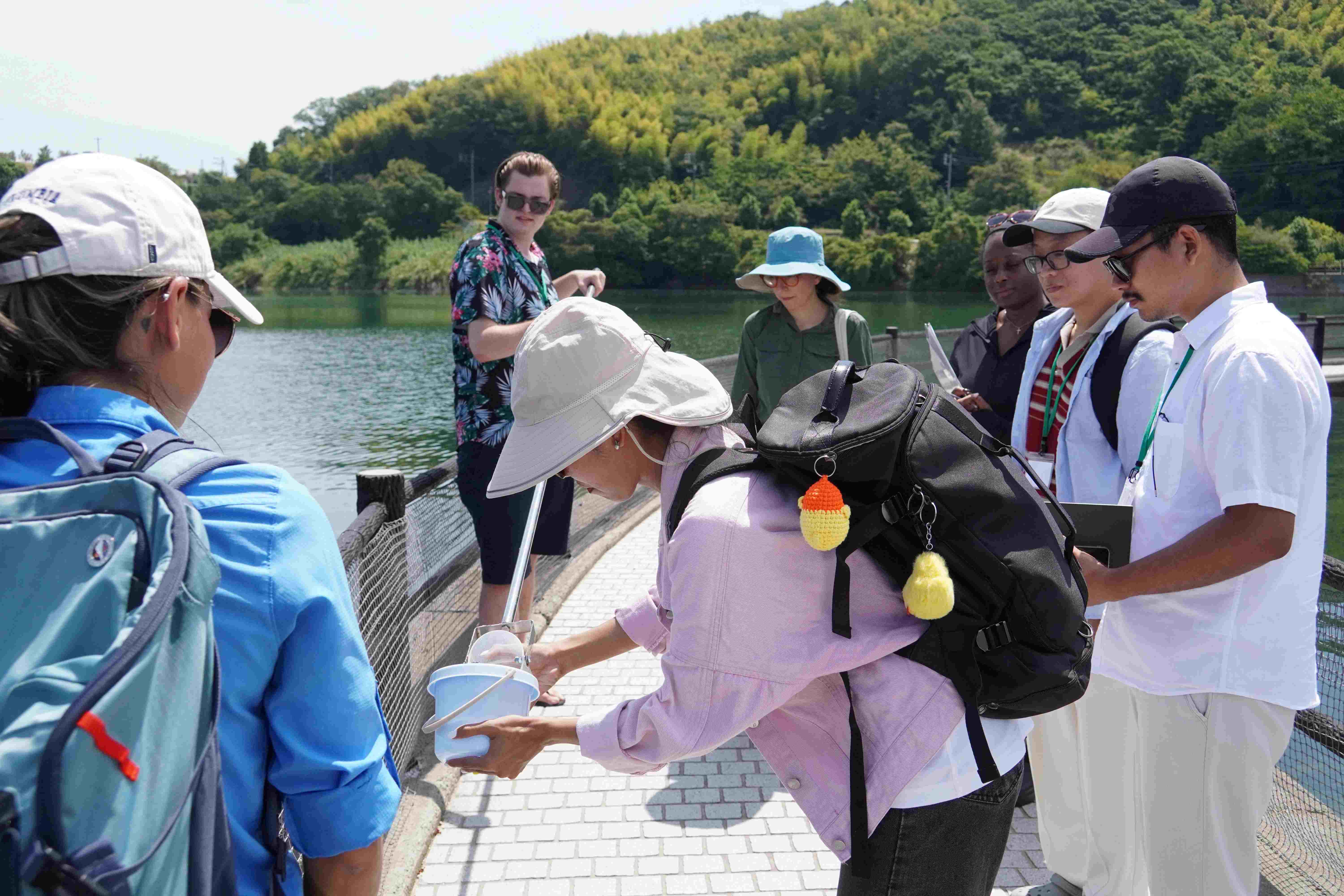
HU&SPF&CU Summer Course on Peace and Sustainability 2025
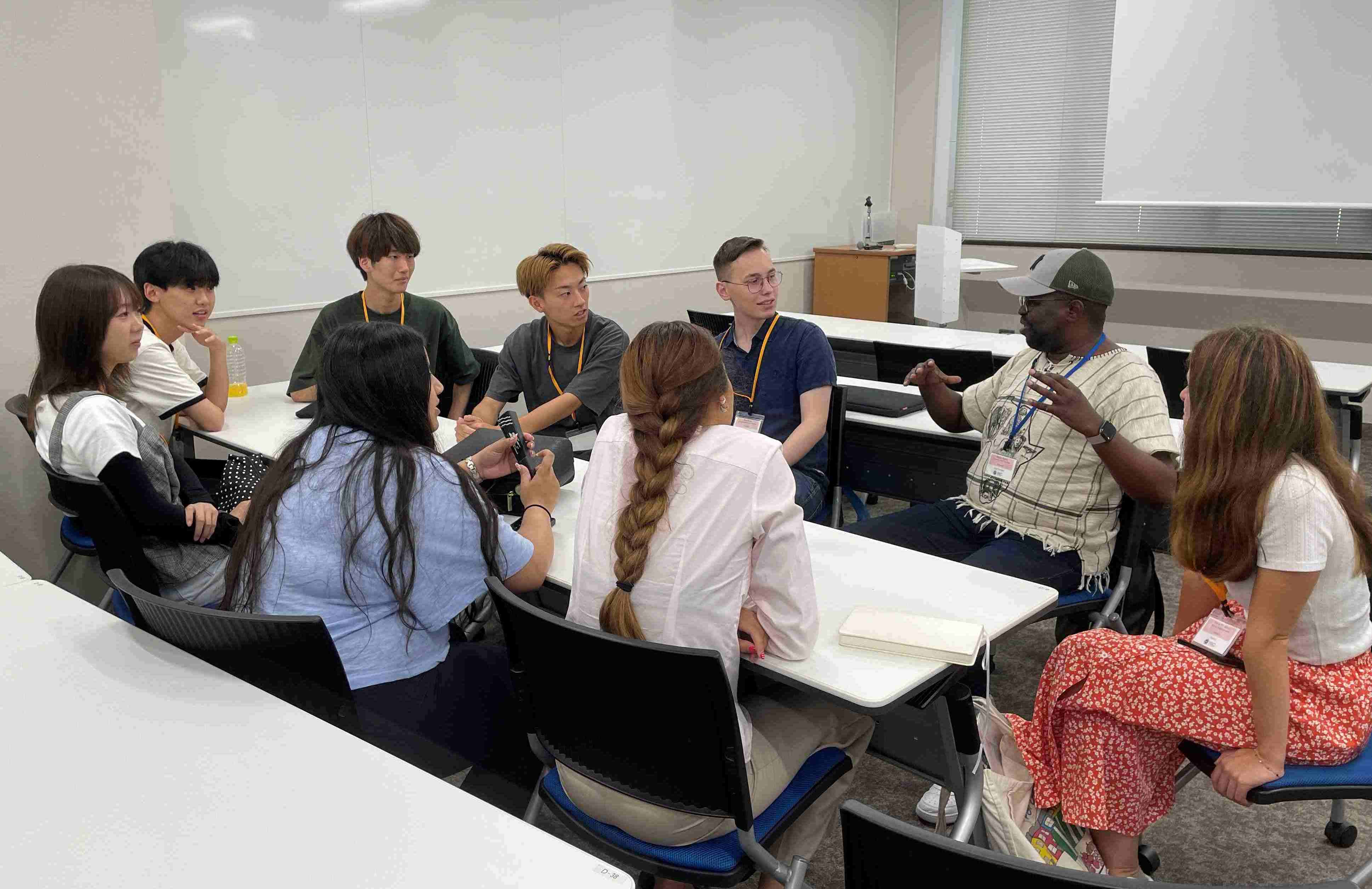
INU Student Seminar
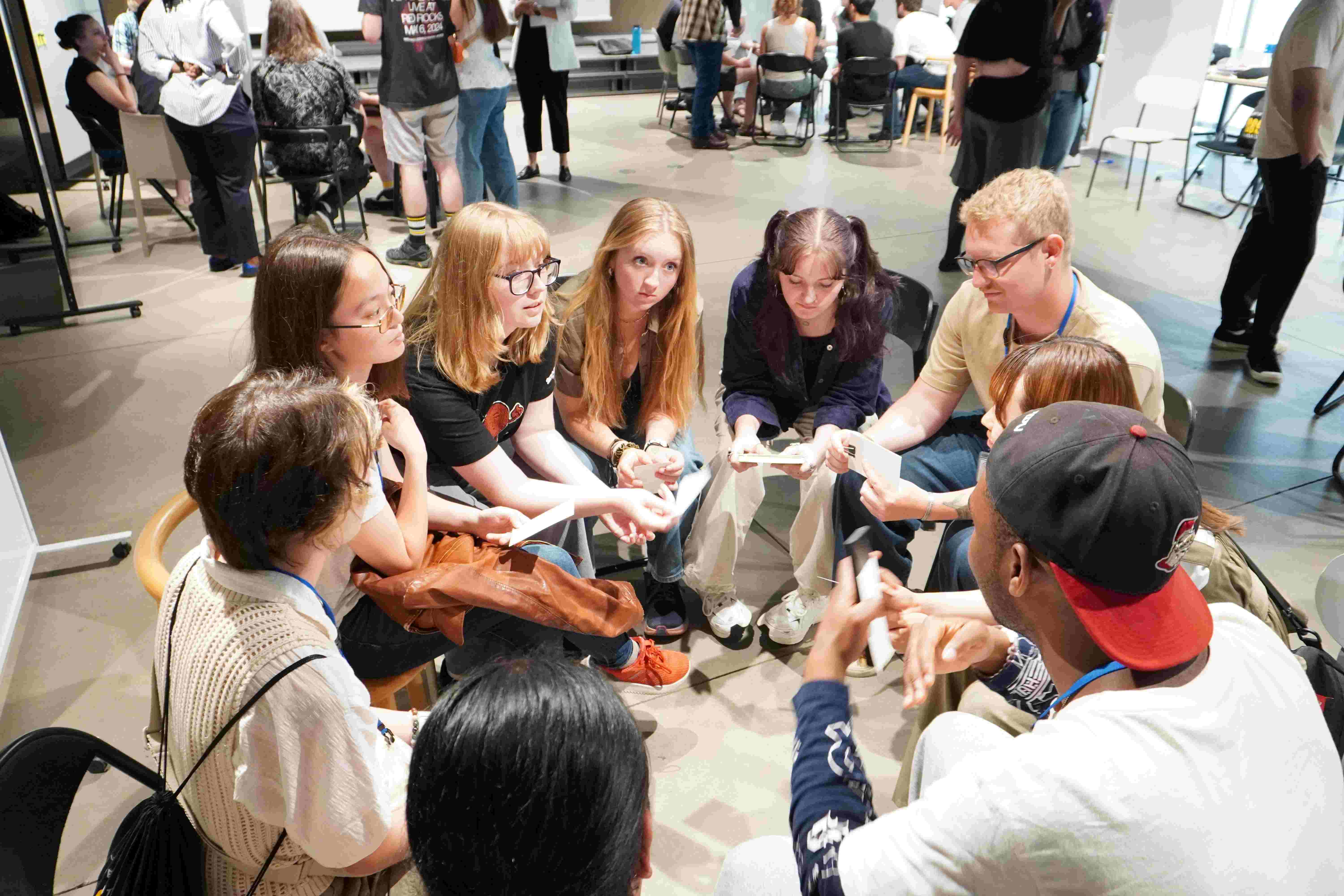
Mega Exchange Program for Nurturing Peace and Sustainability Leaders
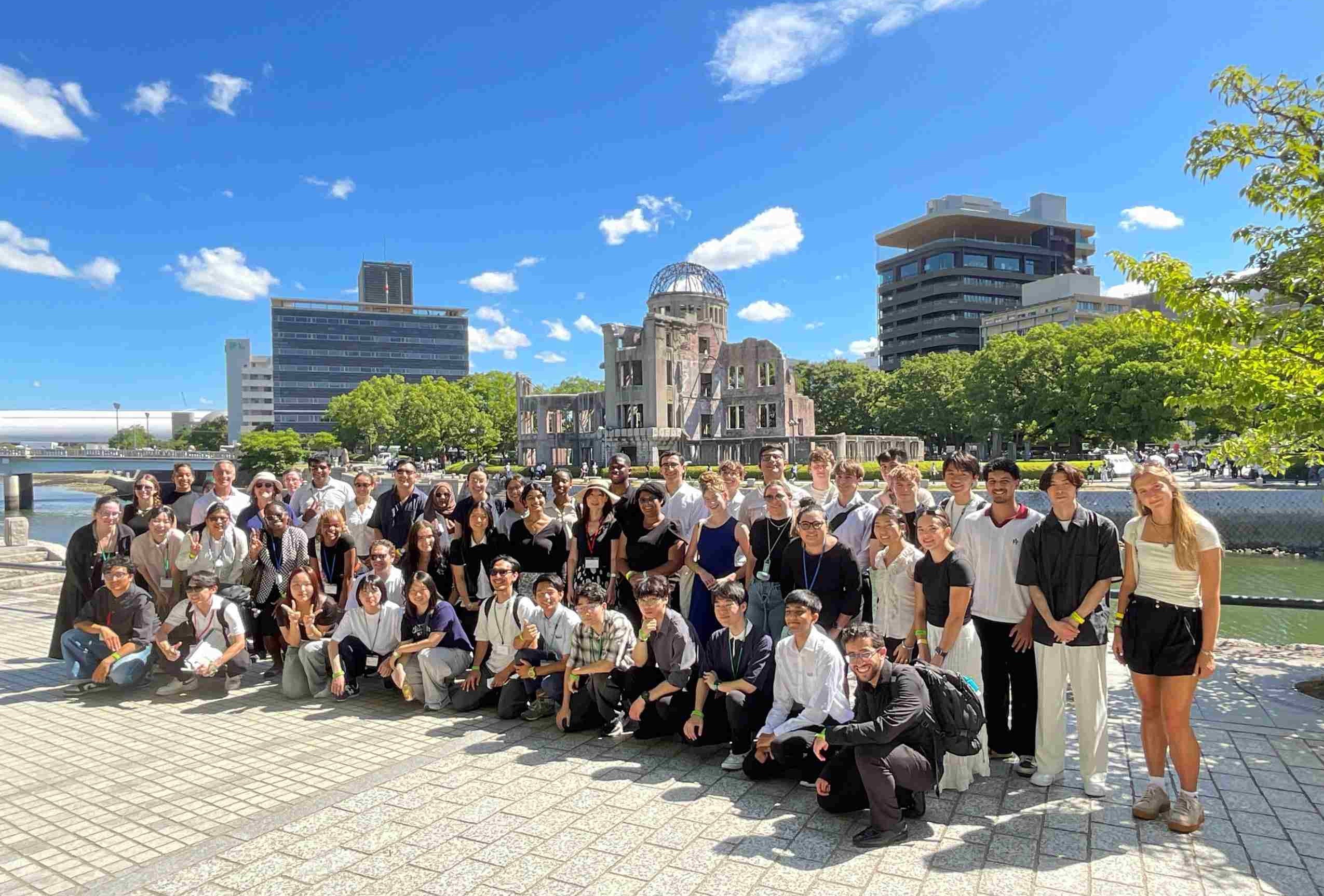
Japan-U.S. Global Leadership Program
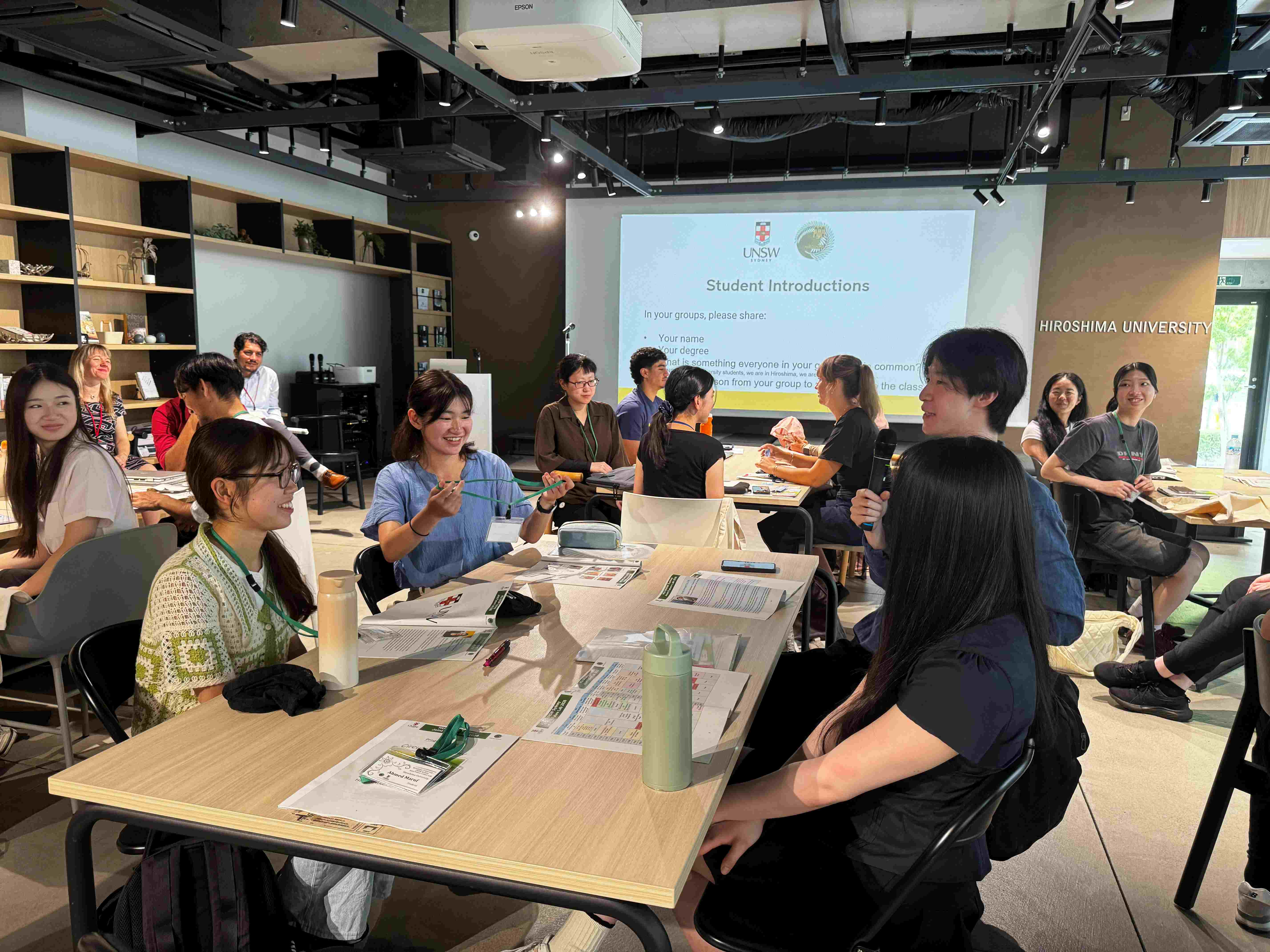
Hiroshima University - The University of New South Wales Sydney Joint Future Lab 2026
【Inquiries】